


-
10,000 Steps That Actually Count

In the age of Apple Watches and Fitbits, “closing your rings” has become a daily obsession. We pace around the kitchen at 10 PM just to hit that magical 10,000-step number.
And for good reason! Walking is the best medicine available. It requires no membership and no equipment, but it helps with…
- Vascular Health: Walking forces collateral circulation, creating new pathways for blood flow in the legs.
- Joint Lubrication: “Motion is Lotion.” Walking cycles synovial fluid through stiff arthritic joints.
- Mental Clarity: The rhythmic nature of walking reduces cortisol (stress hormones).
But here is the catch: Quantity does not equal Quality.
If you walk 10,000 steps with poor biomechanics, you won’t feel great afterward. Kentlands Foot & Ankle Center often sees patients who “walked their way into an injury,” and we know how avoidable those injuries are. That’s what this blog will cover.
The “Form Check”: Are You Walking Wrong?
Most of us haven’t thought about how we walk since we were toddlers. But if you want the benefits without the aches, you need to check your form.
How? By avoiding the three mistakes that most people make:
1. The Overstride (Heel Slamming)
- The Mistake: Reaching your leg out too far in front of you to take longer steps.
- The Result: You strike the ground hard with your heel locked. This sends a shockwave up your shin (Shin Splints) and jams your knee.
- The Fix: Keep your steps shorter and quicker. Your foot should land underneath your hips, not way out in front.
2. The Slump (Looking Down)
- The Mistake: Walking while texting or looking at the ground.
- The Result: This shifts your center of gravity forward, putting excessive pressure on the forefoot (Metatarsalgia) and straining your lower back.
- The Fix: Eyes on the horizon. Keep your chest open and your head neutral.
3. The Passive Foot (Flat Walking)
- The Mistake: Letting your foot flop down without engaging your toes.
- The Result: Your arch collapses (overpronation), twisting the ankle and knee.
- The Fix: Push off! Use your big toe to propel yourself forward. This engages the arch muscles and stabilizes the ankle.
Equipment Matters
Don’t walk 5 miles in worn-out sneakers. Walking shoes need stiffness (to protect the arch) and a rocker bottom (to help you roll through the step).
That said, don’t give up, either! If you’re hitting your numbers but hurting your feet, come in for a Gait Analysis. We can tweak your mechanics, get you set up with a pair of custom orthotics, and get you moving again.
Still have questions? Get in touch for a comprehensive foot examination with Kentlands Foot & Ankle Center podiatrist Dr. Jon M. Sherman. To make your appointment, please call our office at 301-825-9697. You can also contact us online.
-
5 Ways Physical Therapy Makes For Fitter Feet!
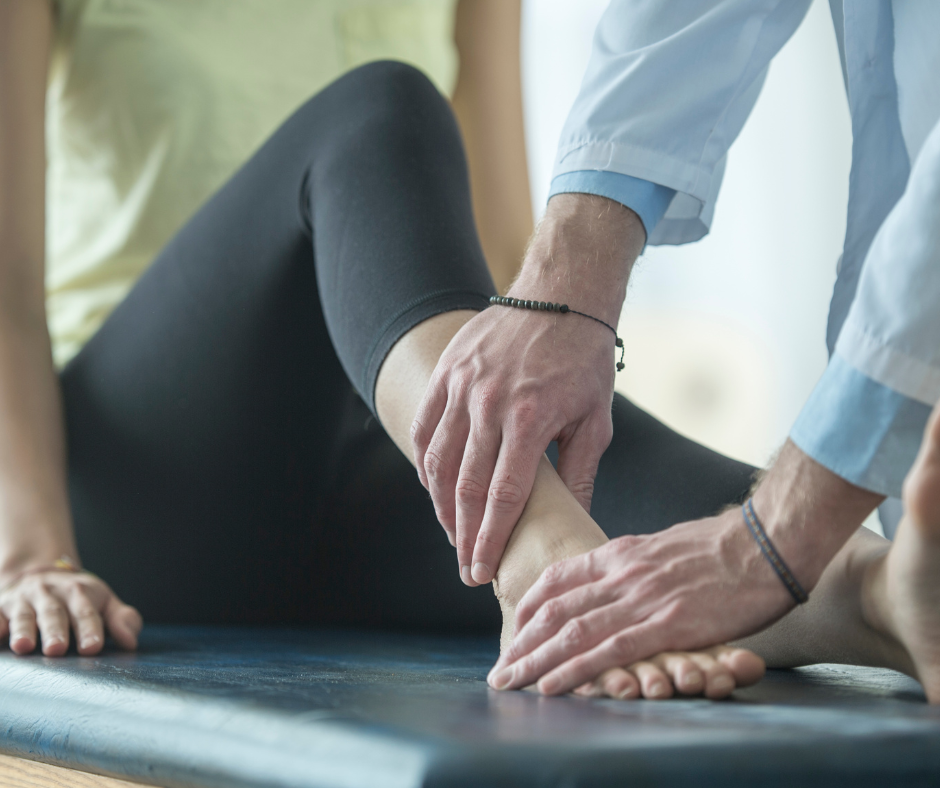
Kentlands Foot & Ankle Center understands the value of conservative treatments and natural remedies; in fact, Dr. Sherman was featured in Business Insider a few months ago discussing just that! It should come as no surprise, then, that our team places such a high value on the power of physical therapy, which can make a difference for a wide range of lower extremity ailments.
This blog will cover five different conditions and circumstances that PT alleviates, improves, or even prevents. Let’s kick things off!
- Plantar Fasciitis:
This prevalent problem inflicts heel pain due to inflammation of the plantar fascia, the tissue connecting your heel to your toes. Physical therapists can design personalized plantar fasciitis stretches with a custom program that improves flexibility, reduces pain, and prevents future flare-ups.
- Ankle Sprains:
Rolled ankles are frequent, painful injuries, stretching or tearing the ligaments that stabilize your joints. Physical therapy can provide an ankle sprain recovery regimen and ankle strengthening exercises to help you regain range of motion, strengthen supporting muscles, and improve proprioception (your body’s awareness of joint position). This, in turn, will reduce pain, swelling, and the risk of future sprains.
- Achilles Tendinitis:
Overuse can inflame the Achilles tendon, causing pain in the back of your heel. Physical therapy focuses on reducing inflammation, improving flexibility, and strengthening the calf muscles to better support the tendon.
- Arthritis:
Both osteoarthritis and rheumatoid arthritis can affect the foot and ankle joints, leading to pain, stiffness, and reduced mobility. Physical therapists can create an exercise program to maintain joint mobility, strengthening surrounding muscles while improving balance. This helps manage pain, maintain function, and potentially delay the need for surgery.
- Post-Surgical Recovery:
After foot or ankle surgery, physical therapy is crucial for regaining strength, flexibility, and range of motion. A personalized program helps restore proper gait mechanics and function, ensuring a smooth and successful recovery.
As you can see, physical therapy can do all kinds of good for your feet and ankles, healing them when they’re hurt and maintaining them when they’re fit.
Interested in learning more? We’re always available and happy to help! Schedule a comprehensive foot examination with Kentlands Foot and Ankle Center podiatrist Dr. Jon M. Sherman. To make your appointment, please call our office at 301-330-5666.
-
May Is National Arthritis Awareness Month
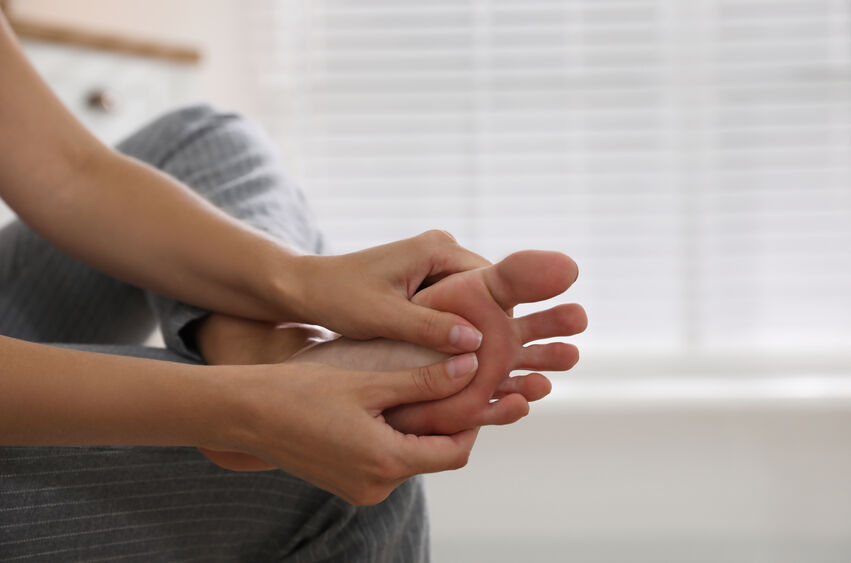
Every year, the month of May is recognized to motivate Americans to get up and moving while raising funds for arthritis research, support, and advocacy. Arthritis occurs when joints are swollen or tender and can affect people of all different ages. Arthritis is one of the most widespread health conditions in the United States. The first steps in overcoming the challenges with arthritis are understanding the condition and knowing there are many resources to help. Below you will find fast facts about arthritis, signs and symptoms, prevention tips, and helpful resources.
Astonishing Arthritis Facts
- More than 40 million Americans have been diagnosed with Arthritis.
- There are more than 100 forms of this crippling disease.
- It affects an estimated 53 million adults and 300,000 children.
- Experts believe that the number of people diagnosed with Arthritis will grow as our nation’s population gets older.
- Arthritis is common among people with other chronic conditions including obesity, diabetes, and heart disease.
- The most common types of Arthritis include:
- Osteoarthritis
- Rheumatoid Arthritis
- Psoriatic Arthritis
- Fibromyalgia
- Gout
Signs Of Arthritis
Recognizing the symptoms can help you get the correct diagnosis. Arthritis symptoms can include:
- Difficulties with moving and performing daily tasks
- Pain
- Stiffness
- Swelling
- Redness
- Decreased range of motion
Arthritis Prevention
- Get Moving. Walking is a fantastic way for people with Arthritis who live in rural areas to be physically active. For those uncertain about walking, proven programs such as Walk With Ease can help people get started.
- Build Connections. The Arthritis Foundation can help you find and build support for your journey during Arthritis Awareness Month with tips on nationwide events, treatment, and diet.
- Protect Your Joints. Avoid holding one position for too long or holding a position that puts extra stress on joints.
- Manage Your Weight. Maintaining a healthy diet that consists of lots of vegetables, some fruits, and whole grains has been proved to support overall wellbeing.
- Talk With Your Doctor. Advocate for yourself and make sure that you get the care you need.
When To See a Podiatrist
Podiatrists are a part of the care team when joint pain occurs in a patient’s feet or ankles. At Kentlands Foot and Ankle Center, we strive to provide the best care to our patients. Board-certified podiatrist Dr. Jon M. Sherman uses advanced technology and can treat a wide range of patients. To schedule an appointment, please call our Montgomery County office at (301) 330-5666 or visit our website for more information.
RECENT POSTS
categories
- Uncategorized
- Featured Articles
- Foot Disorders
- Broken Ankle
- Broken Toe
- Fracture
- Foot Health
- Foot Care
- Arthritis
- Foot Pain
- Skin Cancer
- Podiatry Appointment
- Custom Orthotics
- Podiatrist
- Diabetes
- Gout
- Heart Health
- National Nutrition Month
- National Foot Health Awareness Month
- Foot Safety
- Foot and Ankle Injuries
- Falls Prevention
- Chronic Heel Pain
- Shoes
- Laser Therapy
- Quoted
- Physical Therapy
- KeryFlex
- Sweat
- Summer Foot Care
- Sports Injury
- ESWT
- Fungal Toenails
- Bunion
- Plantar Fasciitis
- PinPointe Laser
- Heel Pain
- walking