


-
“Why Won’t My Heel Pain Go Away?”
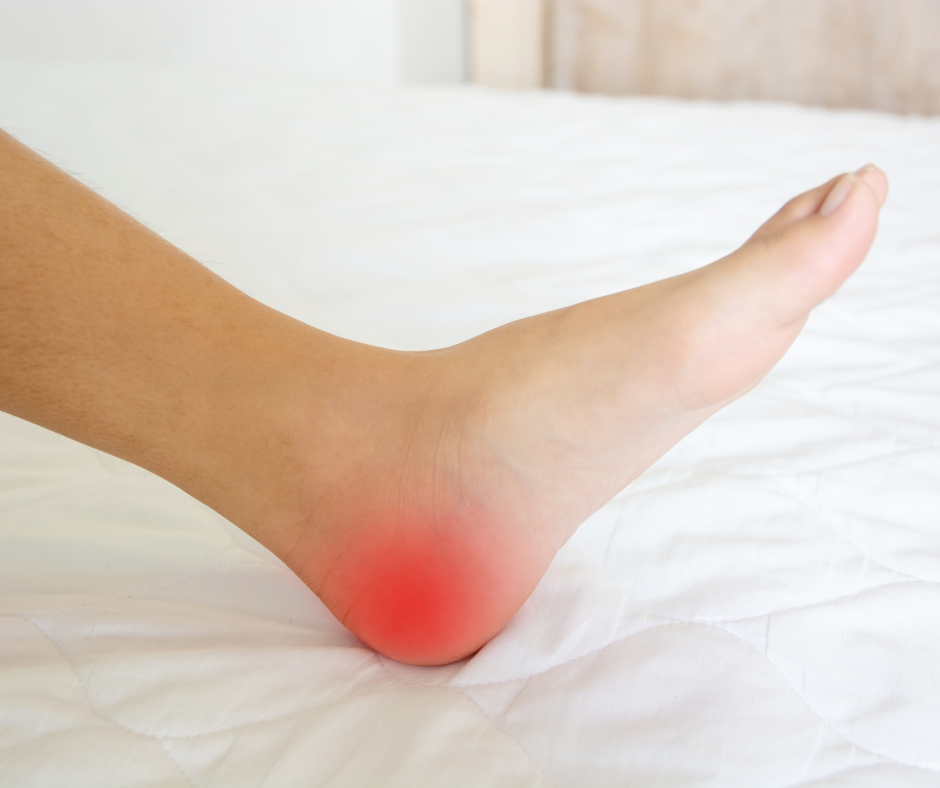
You’ve been dealing with heel pain for months. You’ve done the icing. You’ve rolled your foot on a frozen water bottle. You’ve taken enough ibuprofen to stock a pharmacy. At first, it seemed to help. But now, you’ve hit a wall. Why did your treatment stop working?
The answer lies in how your body handles long-term injury. If you have been in pain for months, you likely aren’t dealing with simple inflammation anymore; you are dealing with degeneration. And to fix that, you don’t need more rest; you need a “wake-up call.”
That’s where Shockwave Therapy (ESWT) comes in. In this blog, Kentlands Foot & Ankle Center will explain how the treatment works, what it handles best, and more.
The “Chronic” Trap: Inflammation vs. Degeneration
To understand why Shockwave works when other methods fail, you have to understand what’s happening inside your foot.
- Acute Phase (The first few weeks): You have Plantar Fasciitis. The tissue is inflamed. Ice and anti-inflammatories work here because they calm the fire.
- Chronic Phase (Months later): The inflammation subsides, but the tissue hasn’t healed correctly. It has become thick, scarred, and stagnant. This is often called Plantar Fasciosis. The body has essentially “given up” on repairing that spot because the blood flow is poor.
This is why your ice pack stopped working. You can’t “anti-inflame” tissue that isn’t inflamed; you have to regenerate tissue that has degenerated.
How Shockwave “Tricks” Your Body into Healing
Shockwave Therapy is a regenerative technology. It uses high-energy acoustic sound waves to penetrate deep into that scarred, stagnant tissue.
Think of it as a controlled reboot for your injury.
- Micro-Trauma: The sound waves create microscopic agitation in the damaged tissue.
- The Signal: This signals your brain that an acute injury has just occurred in that specific spot.
- The Rush: Your body responds by rushing oxygen-rich blood, stem cells, and growth factors to the area (a process called neovascularization).
We aren’t masking the pain. We are forcing your body to restart the healing cycle that it abandoned months ago.
Is Shockwave Better Than a Cortisone Shot?
This is one of the most common questions we get. Both are effective, but they have opposite goals.
- Cortisone is a powerful suppressor. It shuts down inflammation and pain quickly. It is fantastic for acute relief, but it does not repair the tissue.
- Shockwave is a stimulator. It takes longer to see results (weeks, not days), but because it builds new, healthy tissue, the results are often longer-lasting and more permanent.
For active patients who want to fix the problem rather than just hide it, Shockwave is often the superior long-term choice.
Who is the Ideal Candidate?
Shockwave isn’t usually our first line of defense for a mild strain. Rather, we use it for:
- Pain that has lasted longer than 3 months.
- Injuries that have “plateaued” with physical therapy.
- Achilles Tendonitis or Plantar Fasciitis that returns as soon as you stop resting.
Break the Cycle of Chronic Pain
You don’t have to accept heel pain as your “new normal.” Schedule a consultation today to see if Extracorporeal Shockwave Therapy is right for you!
Still have questions? Get in touch for a comprehensive foot examination with Kentlands Foot & Ankle Center podiatrist Dr. Jon M. Sherman. To make your appointment, please call our office at 301-825-9697. You can also contact us online.
RECENT POSTS
categories
- Uncategorized
- Featured Articles
- Foot Disorders
- Broken Ankle
- Broken Toe
- Fracture
- Foot Health
- Foot Care
- Arthritis
- Foot Pain
- Skin Cancer
- Podiatry Appointment
- Custom Orthotics
- Podiatrist
- Diabetes
- Gout
- Heart Health
- National Nutrition Month
- National Foot Health Awareness Month
- Foot Safety
- Foot and Ankle Injuries
- Falls Prevention
- Chronic Heel Pain
- Shoes
- Laser Therapy
- Quoted
- Physical Therapy
- KeryFlex
- Sweat
- Summer Foot Care
- Sports Injury
- ESWT
- Fungal Toenails
- Bunion
- Plantar Fasciitis
- PinPointe Laser
- Heel Pain
- walking