


-
10,000 Steps That Actually Count
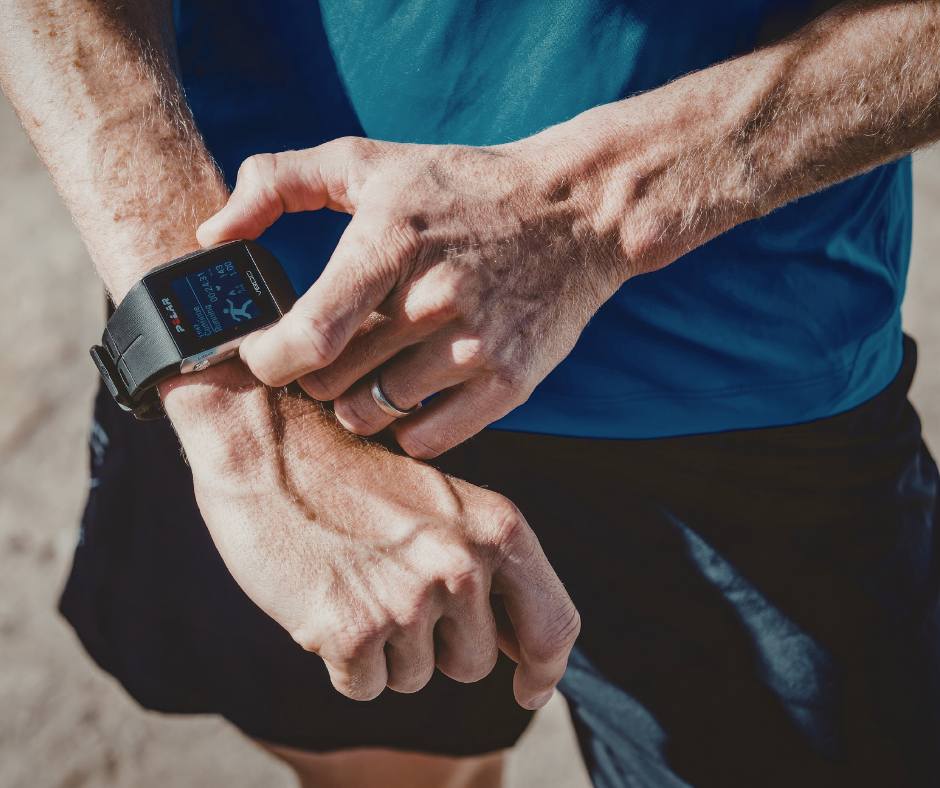
In the age of Apple Watches and Fitbits, “closing your rings” has become a daily obsession. We pace around the kitchen at 10 PM just to hit that magical 10,000-step number.
And for good reason! Walking is the best medicine available. It requires no membership and no equipment, but it helps with…
- Vascular Health: Walking forces collateral circulation, creating new pathways for blood flow in the legs.
- Joint Lubrication: “Motion is Lotion.” Walking cycles synovial fluid through stiff arthritic joints.
- Mental Clarity: The rhythmic nature of walking reduces cortisol (stress hormones).
But here is the catch: Quantity does not equal Quality.
If you walk 10,000 steps with poor biomechanics, you won’t feel great afterward. Kentlands Foot & Ankle Center often sees patients who “walked their way into an injury,” and we know how avoidable those injuries are. That’s what this blog will cover.
The “Form Check”: Are You Walking Wrong?
Most of us haven’t thought about how we walk since we were toddlers. But if you want the benefits without the aches, you need to check your form.
How? By avoiding the three mistakes that most people make:
1. The Overstride (Heel Slamming)
- The Mistake: Reaching your leg out too far in front of you to take longer steps.
- The Result: You strike the ground hard with your heel locked. This sends a shockwave up your shin (Shin Splints) and jams your knee.
- The Fix: Keep your steps shorter and quicker. Your foot should land underneath your hips, not way out in front.
2. The Slump (Looking Down)
- The Mistake: Walking while texting or looking at the ground.
- The Result: This shifts your center of gravity forward, putting excessive pressure on the forefoot (Metatarsalgia) and straining your lower back.
- The Fix: Eyes on the horizon. Keep your chest open and your head neutral.
3. The Passive Foot (Flat Walking)
- The Mistake: Letting your foot flop down without engaging your toes.
- The Result: Your arch collapses (overpronation), twisting the ankle and knee.
- The Fix: Push off! Use your big toe to propel yourself forward. This engages the arch muscles and stabilizes the ankle.
Equipment Matters
Don’t walk 5 miles in worn-out sneakers. Walking shoes need stiffness (to protect the arch) and a rocker bottom (to help you roll through the step).
That said, don’t give up, either! If you’re hitting your numbers but hurting your feet, come in for a Gait Analysis. We can tweak your mechanics, get you set up with a pair of custom orthotics, and get you moving again.
Still have questions? Get in touch for a comprehensive foot examination with Kentlands Foot & Ankle Center podiatrist Dr. Jon M. Sherman. To make your appointment, please call our office at 301-825-9697. You can also contact us online.
-
Custom Orthotics, Biomechanics, and You: Step into Better Health with 3D Scanning
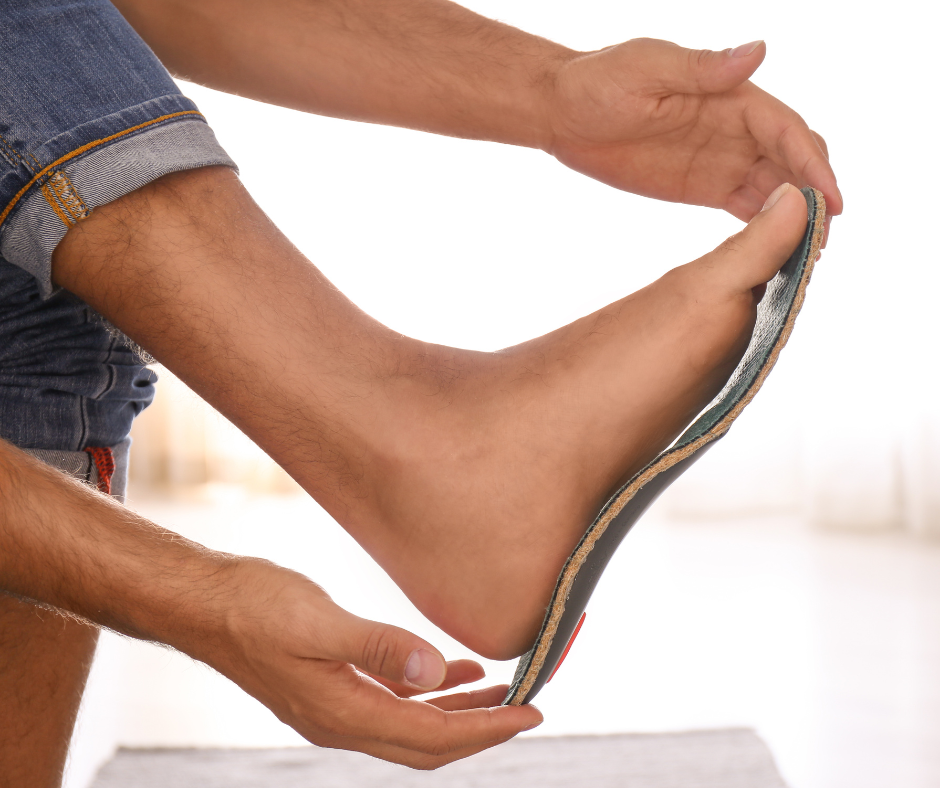
Our feet are the foundation of our bodies, and proper biomechanics – the way our muscles, bones, and joints work together – are essential for pain-free movement and overall well-being.
Custom orthotics can play a vital role in optimizing your biomechanics, and advancements in 3D scanning technology are revolutionizing the way these supportive devices are created. In this post, Kentlands Foot & Ankle Center explains how new tech is providing orthotics that are better than ever for all kinds of issues, so read on to learn more!
Understanding Biomechanics
When your feet don’t function optimally, it can throw off your entire body’s alignment. This can lead to a variety of issues, including:
- Foot Pain: Plantar fasciitis, heel spurs, bunions, and metatarsalgia.
- Knee Pain: Misalignment leading to patellofemoral pain syndrome or IT band syndrome.
- Hip and Back Pain: Caused by altered gait and posture.
- Balance Problems: Increased risk of falls, especially in older adults.
- Sports Injuries: Stress fractures, shin splints, and Achilles tendonitis.
Custom Orthotics: Tailored Support for Your Unique Needs
Unlike over-the-counter inserts, custom orthotics are specifically designed to address your individual foot structure and biomechanical imbalances. They provide targeted support and cushioning, helping to:
- Improve Weight Distribution: Evenly distribute pressure across your feet, reducing stress on specific areas.
- Enhance Balance and Stability: Provide a stable base of support, improving balance and reducing the risk of falls.
- Correct Gait Abnormalities: Guide your feet into a more natural and efficient gait pattern.
- Prevent and Aid Recovery from Sports Injuries: Offer shock absorption and support to reduce strain on joints and soft tissues.
The 3D Advantage: Precision and Personalization
Traditional methods of creating orthotics, like plaster casting, can be messy and imprecise. 3D scanners, on the other hand, can capture a highly accurate digital model of your feet in seconds, providing a detailed blueprint for crafting truly customized orthotics.
- Superior Accuracy: 3D scans capture the intricate contours of your feet with unparalleled precision.
- Dynamic Assessment: Some advanced scanners can even analyze your gait while you walk or run, providing a dynamic assessment of your foot function.
- Faster Turnaround: Digital models can be instantly sent to the lab, speeding up the fabrication process.
The result? A pair of custom orthotics that fit your feet like a glove, providing optimal support and comfort in one.
Interested in learning more? We’re always happy to help! Schedule a comprehensive foot examination with Kentlands Foot & Ankle Center podiatrist Dr. Jon M. Sherman. To make your appointment, please call our office at 301-825-9697.
-
Laser Therapy: A Natural Approach to Pain Relief
Chronic pain harms your quality of life, and while traditional treatments like surgery or medications may offer temporary relief, they often come with side effects and recovery times. Fortunately, that’s not the case with laser therapy, a non-invasive and drug-free approach that’s emerged as a promising alternative for individuals seeking effective pain management. In the following blog, Kentlands Foot & Ankle Center will tell you all about it.
How Does It Work?
Laser therapy, also known as cold laser therapy or low-level laser therapy, utilizes light energy to stimulate healing and reduce pain.
- Laser light penetrates the skin, targeting damaged cells and promoting tissue regeneration.
- This process involves increasing the production of ATP, a cellular energy molecule, which facilitates repair and cell growth, analgesia, and reduced inflammation.
- By harnessing your body’s natural healing abilities, laser therapy provides long-lasting relief.
The Benefits
Laser therapy offers several advantages over traditional treatments: It’s:
- Non-invasive: No medications, cortisone injections, or surgery required.
- Drug-free: Avoids potential side effects associated with medications.
- Simple: Typically involves 5-7 treatment sessions, allowing for a quick recovery.
- Effective: Studies have shown an 85% permanent reduction in inflammation and pain in many cases.
Applications
Laser therapy can be used to treat a wide range of acute and chronic conditions.
- Tendinopathies, such as Achilles tendonitis, respond particularly well, but it also works to address complications that arise from bursitis (inflammation of fluid-filled sacs that cushion joints), shin splints (pain along the shinbone caused by overuse), and plantar fasciitis (heel pain caused by inflammation of the plantar fascia).
Experience the Benefits
If you’re suffering from chronic pain, this may be a suitable option for you. At Kentlands Foot & Ankle Center, we emphasize patient education, so please feel free to reach out if you’d like to learn more about laser therapy and how it can help you regain your quality of life.
Want to beat chronic pain for good? We’re eager to help! Schedule a comprehensive foot examination with Kentlands Foot and Ankle Center podiatrist Dr. Jon M. Sherman. To schedule your appointment, please contact our office at 301-825-9697.
RECENT POSTS
categories
- Uncategorized
- Featured Articles
- Foot Disorders
- Broken Ankle
- Broken Toe
- Fracture
- Foot Health
- Foot Care
- Arthritis
- Foot Pain
- Skin Cancer
- Podiatry Appointment
- Custom Orthotics
- Podiatrist
- Diabetes
- Gout
- Heart Health
- National Nutrition Month
- National Foot Health Awareness Month
- Foot Safety
- Foot and Ankle Injuries
- Falls Prevention
- Chronic Heel Pain
- Shoes
- Laser Therapy
- Quoted
- Physical Therapy
- KeryFlex
- Sweat
- Summer Foot Care
- Sports Injury
- ESWT
- Fungal Toenails
- Bunion
- Plantar Fasciitis
- PinPointe Laser
- Heel Pain
- walking