


-
How to Know If You Need Custom Orthotics
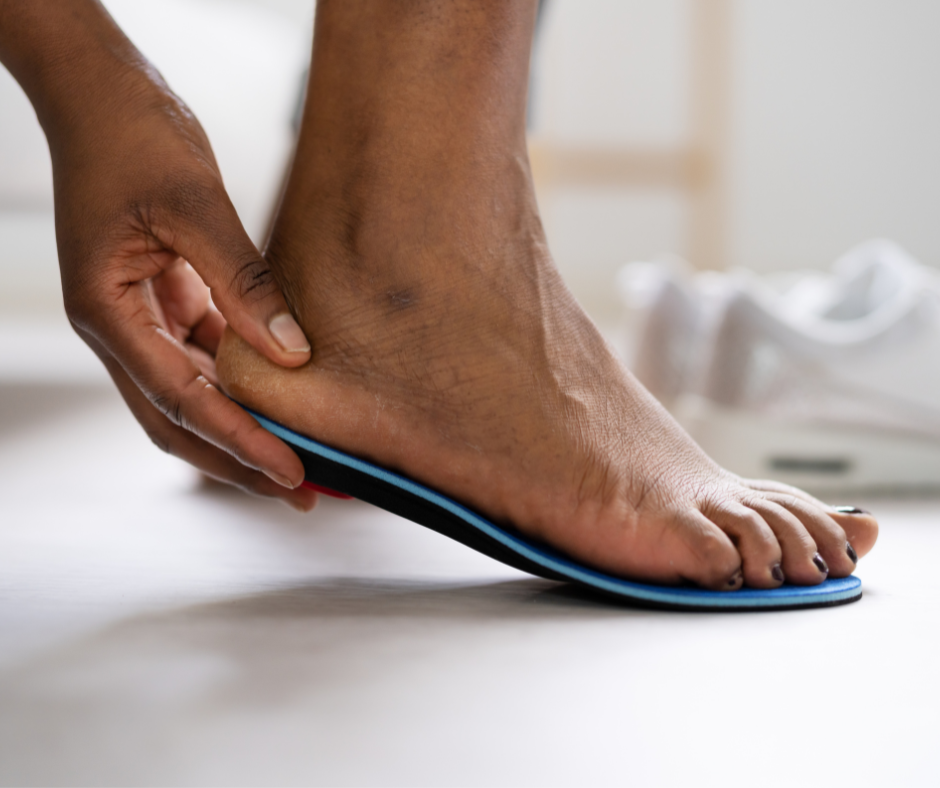
One of the most common questions we hear is:
“Do I really need custom orthotics, or just better shoes?”
The answer often depends on what you do for a living. Your feet are your equipment. Just like a chef needs a sharp knife or a surgeon needs precision tools, your feet need the right support to perform your specific job without injury. What a marathon runner needs is different from what a restaurant server needs.
At Kentlands Foot & Ankle Center, we don’t just look at your foot; we look at your life! The following checklist was designed with that method in mind, so use it and see if your job is putting your feet at risk.
1. The Healthcare Hero (Nurses & Doctors)
Working 12-hour shifts on hard hospital floors, often clocking 15,000 steps a day? Ask yourself:
- [ ] Do your heels throb the moment you sit in your car after a shift?
- [ ] Do you feel a burning sensation in the ball of your foot (Metatarsalgia)?
- [ ] Are your knees or lower back stiff when you wake up the next day?
The Verdict: If you checked any of these, your arches are fatigue-failing under the long hours. Orthotics provide the “scaffold” to hold you up when your muscles get tired.
2. The Restaurant Worker (Servers & Chefs)
If you’re constantly pivoting, dodging, and standing on tile or concrete in non-slip shoes…
- [ ] Do you have hard calluses or corns on your big toe or heel?
- [ ] Do you constantly roll your ankles on uneven mats or wet floors?
- [ ] Do your shins ache during the dinner rush?
The Verdict: Restaurant work requires stability. Orthotics can correct the overpronation that causes calluses and stabilize your ankle against sprains.
3. The Athlete (Runners & Court Sports)
Your feet take up to 3x your body weight in force with every stride. If you run, consider:
- [ ] Do you have recurring shin splints that won’t go away with ice?
- [ ] Does one shoe wear down unevenly compared to the other?
- [ ] Do you feel a “pinch” in your Achilles tendon when you push off?
The Verdict: You are likely dealing with a biomechanical inefficiency. Custom orthotics align your Kinetic Chain, stopping the energy leaks that cause overuse injuries.
4. The Active Senior (Pickleball & Walkers)
Want to stay active, keep up with grandkids, and travel without limits? Ask yourself:
- [ ] Do you feel like you are walking on “bony” feet (Fat Pad Atrophy)?
- [ ] Do your bunions ache after a long walk?
- [ ] Do you feel unsteady or fearful of tripping?
The Verdict: As we age, our natural padding thins and ligaments stretch. Orthotics can replace that lost cushion and provide the proprioceptive feedback needed for balance.
5. The Dancer (Ballet & Contemporary)
Your art requires extreme flexibility, but that often comes at the cost of stability. Consider:
- [ ] Do you have pain under the big toe joint (Sesamoiditis)?
- [ ] Do you have “snapping” hips or ankles?
- [ ] Do your arches cramp significantly after class?
The Verdict: While you can’t wear orthotics in pointe shoes, wearing them in your street shoes is vital for recovery. They allow your overworked tendons to rest in a neutral position.
The Takeaway
If you recognize yourself in these checklists, your feet are trying to tell you something. Don’t ignore it! Instead of waiting for things to worsen, schedule your evaluation today.
Still have questions? Get in touch for a comprehensive foot examination with Kentlands Foot & Ankle Center podiatrist Dr. Jon M. Sherman. To make your appointment, please call our office at 301-825-9697. You can also contact us online.
-
“Why Won’t My Heel Pain Go Away?”
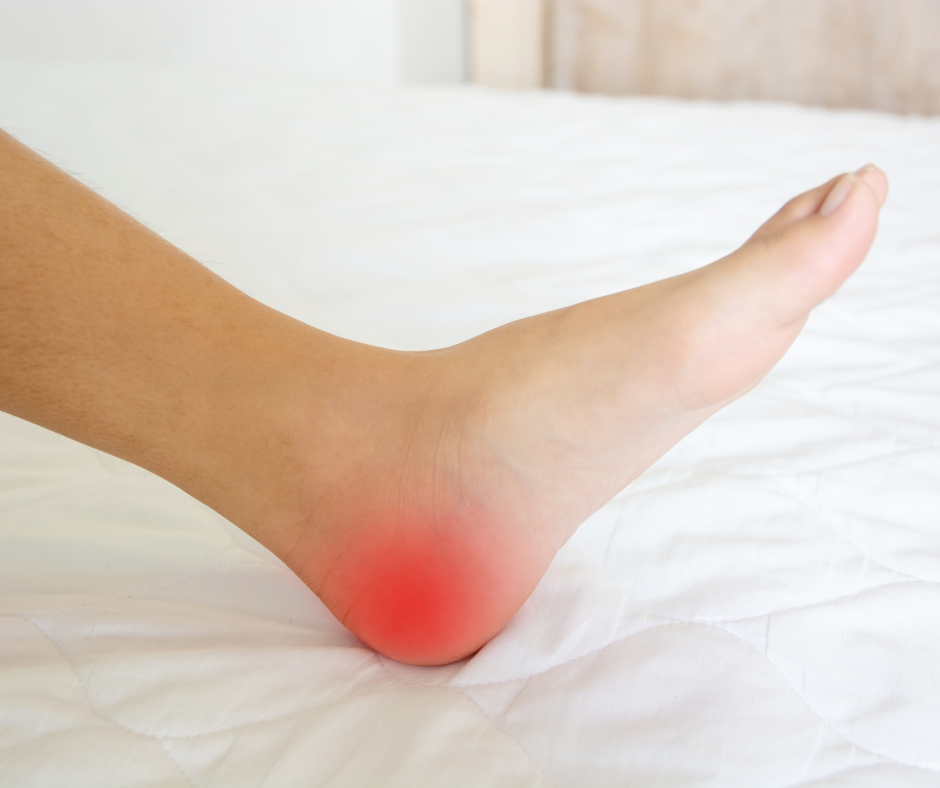
You’ve been dealing with heel pain for months. You’ve done the icing. You’ve rolled your foot on a frozen water bottle. You’ve taken enough ibuprofen to stock a pharmacy. At first, it seemed to help. But now, you’ve hit a wall. Why did your treatment stop working?
The answer lies in how your body handles long-term injury. If you have been in pain for months, you likely aren’t dealing with simple inflammation anymore; you are dealing with degeneration. And to fix that, you don’t need more rest; you need a “wake-up call.”
That’s where Shockwave Therapy (ESWT) comes in. In this blog, Kentlands Foot & Ankle Center will explain how the treatment works, what it handles best, and more.
The “Chronic” Trap: Inflammation vs. Degeneration
To understand why Shockwave works when other methods fail, you have to understand what’s happening inside your foot.
- Acute Phase (The first few weeks): You have Plantar Fasciitis. The tissue is inflamed. Ice and anti-inflammatories work here because they calm the fire.
- Chronic Phase (Months later): The inflammation subsides, but the tissue hasn’t healed correctly. It has become thick, scarred, and stagnant. This is often called Plantar Fasciosis. The body has essentially “given up” on repairing that spot because the blood flow is poor.
This is why your ice pack stopped working. You can’t “anti-inflame” tissue that isn’t inflamed; you have to regenerate tissue that has degenerated.
How Shockwave “Tricks” Your Body into Healing
Shockwave Therapy is a regenerative technology. It uses high-energy acoustic sound waves to penetrate deep into that scarred, stagnant tissue.
Think of it as a controlled reboot for your injury.
- Micro-Trauma: The sound waves create microscopic agitation in the damaged tissue.
- The Signal: This signals your brain that an acute injury has just occurred in that specific spot.
- The Rush: Your body responds by rushing oxygen-rich blood, stem cells, and growth factors to the area (a process called neovascularization).
We aren’t masking the pain. We are forcing your body to restart the healing cycle that it abandoned months ago.
Is Shockwave Better Than a Cortisone Shot?
This is one of the most common questions we get. Both are effective, but they have opposite goals.
- Cortisone is a powerful suppressor. It shuts down inflammation and pain quickly. It is fantastic for acute relief, but it does not repair the tissue.
- Shockwave is a stimulator. It takes longer to see results (weeks, not days), but because it builds new, healthy tissue, the results are often longer-lasting and more permanent.
For active patients who want to fix the problem rather than just hide it, Shockwave is often the superior long-term choice.
Who is the Ideal Candidate?
Shockwave isn’t usually our first line of defense for a mild strain. Rather, we use it for:
- Pain that has lasted longer than 3 months.
- Injuries that have “plateaued” with physical therapy.
- Achilles Tendonitis or Plantar Fasciitis that returns as soon as you stop resting.
Break the Cycle of Chronic Pain
You don’t have to accept heel pain as your “new normal.” Schedule a consultation today to see if Extracorporeal Shockwave Therapy is right for you!
Still have questions? Get in touch for a comprehensive foot examination with Kentlands Foot & Ankle Center podiatrist Dr. Jon M. Sherman. To make your appointment, please call our office at 301-825-9697. You can also contact us online.
-
Why Does It Feel Like There’s a Rock in My Shoe?
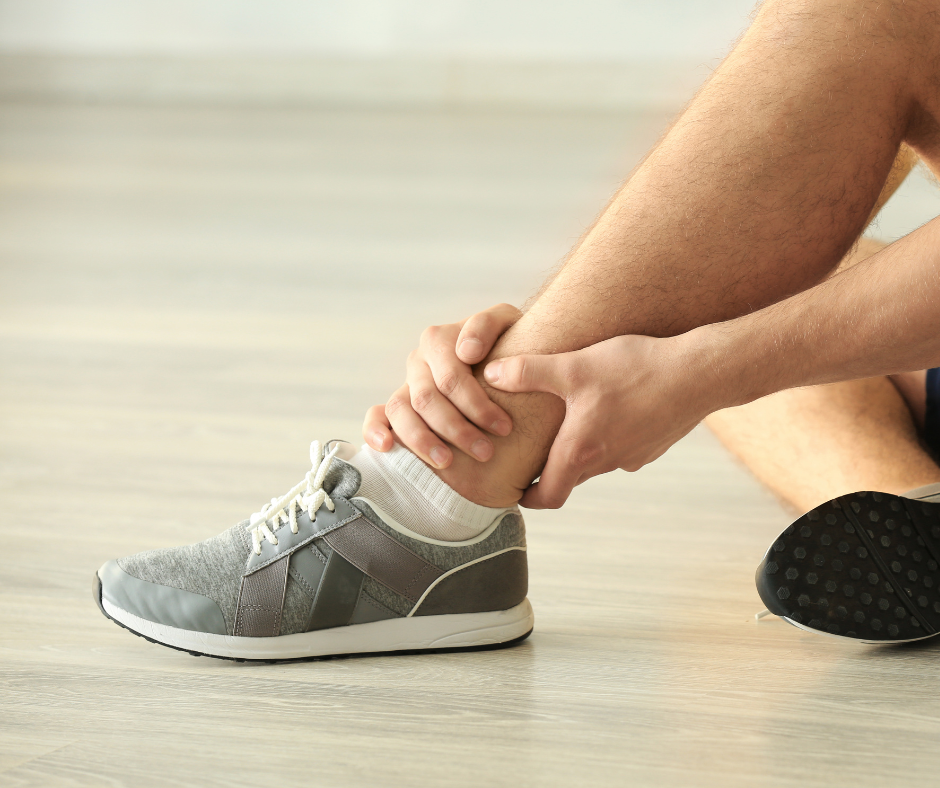
(A Guide to Ball-of-Foot Pain)
You’ve felt it. It’s that sharp, annoying pain in the ball of your foot that makes you stop and take your shoe off, convinced a small pebble or a bunched-up sock is the culprit.
But every time you check, there’s nothing there.
This “phantom pebble” feeling is one of the most common and frustrating symptoms we hear. It’s not in your head; it’s a classic sign of a neuroma, and it’s one of the most treatable conditions in all of podiatry. If you’re tired of guessing, here is the explanation for your pain, courtesy of Kentlands Foot & Ankle Center.
What is a Morton’s Neuroma?
A Morton’s Neuroma isn’t a tumor or a “growth,” despite its name. It’s a pinched, irritated, and swollen nerve that runs between the long bones in your foot (the metatarsals).
- This nerve is normally very small. But when it’s repeatedly compressed or irritated, it becomes inflamed and thickens.
- When you walk, that thickened nerve gets “pinched” between the bones, sending a sharp, burning, or tingling pain signal to your toes.
Do You Have a Neuroma? A Symptom Checklist
The symptoms are very distinct. You’re likely dealing with one if you experience:
- The “Pebble” Sensation: The #1 sign. A persistent feeling of walking on a small rock, a fold in your sock, or a marble.
- Burning or Tingling: The pain often radiates from the ball of your foot into your third and fourth toes.
- Numbness: You may feel a “pins and needles” or a lack of sensation in your toes.
- Pain That Gets Worse with Shoes: The pain is minimal when you’re barefoot but becomes agonizing when you wear tight, narrow, or high-heeled shoes.
- Pain That Gets Better with Massage: You feel an almost-immediate sense of relief when you take your shoe off and rub the painful area.
This “shoe on/shoe off” pattern is the key. The nerve is fine when your foot is spread out, but it gets pinched when you put it in a shoe that squeezes those metatarsal bones together.
How Do We Treat a Neuroma?
The good news is that neuroma treatment is extremely effective, and we almost always start with conservative, non-surgical options. The goal is simple: stop the squeeze.
- Shoe Changes: The first step is getting you into shoes with a wide, deep toe box. This simple change gives your bones room to spread out, stopping the nerve from getting pinched.
- Strategic Padding: We can use a simple metatarsal pad. This small, raised pad sits behind the ball of your foot, not on it. This “lifts and separates” the metatarsal bones, creating more space for the nerve.
- Custom Orthotics: This is the true, long-term fix. We can create a custom-molded orthotic with a built-in metatarsal pad that perfectly supports your foot’s mechanics and permanently offloads the pinched nerve.
- Shockwave Therapy: In some cases that require more substantial but non-invasive methods, shockwave therapy can promote healing in the damaged nerve tissue.
Don’t Walk on That “Rock”!
Stop taking your shoe off at your desk or in your car trying to find a rock that isn’t there. We can give you a definitive diagnosis (often in a single visit) and create a simple, conservative plan to get rid of that pain for good.
Get in touch for a comprehensive foot examination with Kentlands Foot & Ankle Center podiatrist Dr. Jon M. Sherman. To make your appointment, please call our office at 301-825-9697. You can also contact us online.
-
Love the Loafer Trend? Sidestep the Pain With a Podiatrist’s Help!
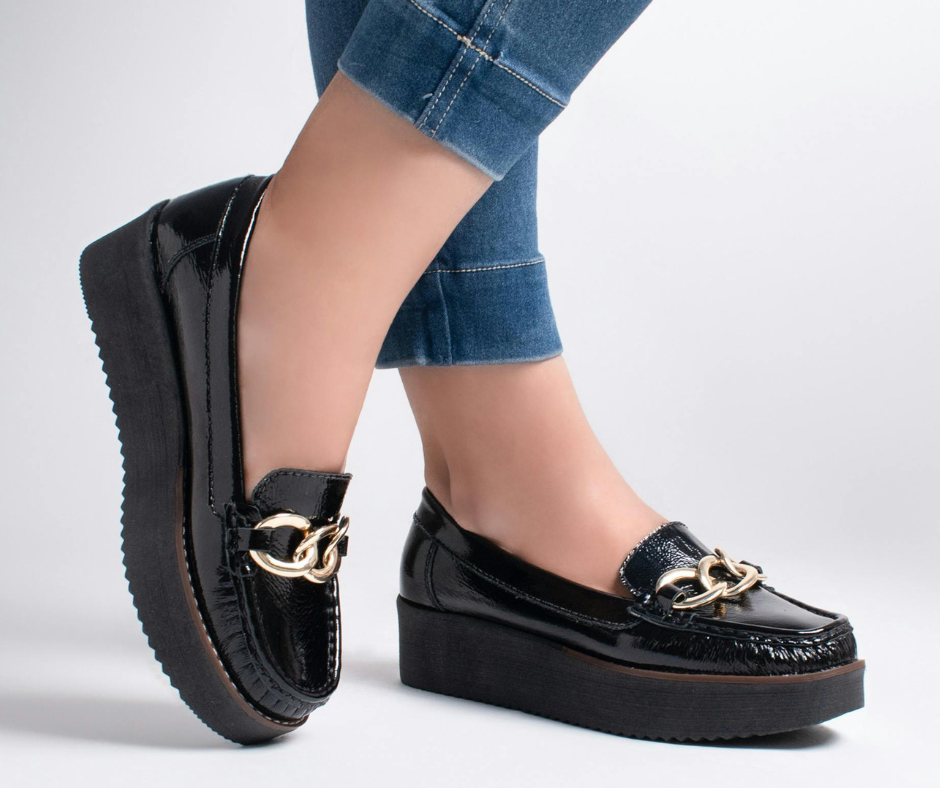
Walk down any city street this fall, and you’ll see them everywhere: sleek, stylish, and sophisticated loafers. They are the go-to shoe for the modern professional, a perfect blend of casual comfort and office-appropriate style. But this fashion trend has a dark side that many are discovering the hard way: persistent, nagging foot pain.
If you’ve found yourself with aching arches or a sore heel after a day in your favorite flats, you’re not alone. The very features that make many loafers look so chic are often the same ones that are terrible for your feet. In this blog, Kentlands Foot & Ankle Center will explain why your stylish shoes might be the source of your pain…and how you can choose a pair that offers fashion and function.
“Why Do My ‘Comfortable’ Flats Hurt Me So Much?”
The irony of many popular loafers and ballet flats is that they are marketed as a comfortable alternative to heels, but they often lack the fundamental features your feet need for support. This is mostly due to:
- Zero Arch Support: The most common design flaw is a completely flat interior.
- Without a supportive arch, the full force of your body weight collapses onto your plantar fascia, the ligament that runs along the bottom of your foot.
- This constant strain is a primary cause of plantar fasciitis.
- No Shock Absorption: A thin, flimsy sole provides zero cushioning against hard surfaces like concrete sidewalks and office floors.
- Every step sends a jarring impact through your heel and up your kinetic chain, leading to heel pain and general foot fatigue.
- Narrow Toe Boxes: Many fashion-forward loafers have a tapered or pointed toe box that squeezes your toes into an unnatural position.
- This can aggravate existing bunions and hammertoes or even contribute to their formation over time.
The Podiatrist’s Checklist for a Better Loafer
You don’t have to give up the style you love. You just need to become a smarter shopper. The next time you’re looking for a new pair of flats, use this simple checklist!
[✔] The Bend Test: A good shoe should only bend where your foot naturally bends—at the ball of the foot. If you can fold the shoe in half in the middle of the arch, it has no structural support.
[✔] The Squeeze Test: The back of the shoe that cups your heel (the heel counter) should be firm and stable. A flimsy heel counter provides no support and can contribute to instability.
[✔] Look for a Removable Insole: This is a game-changer. A shoe with a removable insole allows you to add your own custom orthotic.
[✔] Check for a Subtle Heel: Even a slight, quarter-inch heel is better than a completely flat sole. This small amount of elevation can help to reduce strain on your Achilles tendon and plantar fascia.
The Power of Custom Orthotics
If you’re already dealing with chronic pain or if your foot structure requires more significant support, consider a custom orthotic.
Unlike an over-the-counter insert, a custom orthotic is a prescription medical device created from a 3D scan of your feet. Modern orthotics can be designed with a slim profile to fit discreetly inside many styles of dress shoes and loafers!
Still have questions? Get in touch for a comprehensive foot examination with Kentlands Foot & Ankle Center podiatrist Dr. Jon M. Sherman. To make your appointment, please call our office at 301-825-9697. You can also contact us online.
- Zero Arch Support: The most common design flaw is a completely flat interior.
-
5 Ways Diabetes Impacts Your Feet

So, you have diabetes, but you’ve never really considered the impact it can have on your feet. We at Kentlands Foot and Ankle Center love treating people with diabetes and educating them on the importance of proper foot hygiene and management. Today, we’ll be talking about the 5 main foot issues that chronically high blood sugar could lead to.
Peripheral Neuropathy
One of the most significant dangers is peripheral neuropathy, which is nerve damage caused by consistently high blood sugar levels over time. Tingling, burning pain, numbness- you might not feel a small cut from stepping on something, a blister from old shoes, or even the constant pressure of a poorly placed seam in a sock. Without the warning signal of pain, these minor injuries can worsen right under your nose.
Peripheral Artery Disease
Diabetes also frequently contributes to Peripheral Artery Disease, which is where the arteries in the legs and feet narrow due to plaque buildup. High cholesterol can reduce blood flow to the lower extremities.
And when circulation is compromised, your feet feel cold, your legs ache and cramp when walking, and most dangerously, the body’s ability to heal is impaired. Even a small wound or infection on the foot can struggle to receive the oxygen and nutrients needed for healing, which raises the risk of it becoming chronic and non-healing.
Foot Deformities
This combination of nerve damage and reduced circulation can also lead to structural changes in the feet. When the muscles weaken, it leads to imbalances and gait issues that result in foot deformities like bunions, hammertoes, or even the devastating collapse seen in Charcot foot.
These deformities then create abnormal pressure points on the foot, and coupled with impaired sensation, they can continuously rub against your shoes without you even feeling it. Yet another risk for blisters and cuts.
Infections
High blood sugar levels can also weaken your immune system, which can make a diabetic more vulnerable to getting sick. This weakened defense, coupled with reduced blood flow and neuropathy, creates a perfect storm.
What might be a simple cut for someone else can quickly escalate into a severe fungal infection for a diabetic.
Diabetic Foot Ulcers
All these factors can culminate in the development of a diabetic foot ulcer – an open sore that penetrates through the skin. These ulcers are the most serious threat, as they can become infected, lead to deep-seated bone infections, and tragically, are the leading cause of lower limb amputations in people with diabetes.
Manage Your Diabetes
The dangers of diabetes for foot health are significant. Proactive daily foot checks, choosing appropriate footwear, and regular visits to a podiatrist are not just recommendations; they are vital steps in preventing these life-altering complications and preserving mobility.
Interested in learning more? Schedule a comprehensive foot examination with Kentlands Foot and Ankle Center podiatrist Dr. Jon M. Sherman. To make your appointment, please call our office at 301-825-9697.
-
5 Common Foot and Ankle Injury Myths in Sports

From little league to professional sports, foot and ankle injuries are some of the most common among athletes. And unfortunately, many misconceptions and myths surround these issues, which can hinder recovery.
In this post, we will debunk these myths to help athletes better address their foot and ankle troubles.
Myth 1: All Ankle Sprains Are the Same.
Fact: Ankle sprains vary in severity, ranging from mild to severe. While most ankle sprains involve the ligaments on the outside of the ankle, some can also affect the ligaments on the inside. That’s why you should seek a medical evaluation to determine the extent of the injury.
Myth 2: You’re Right, Coach. I’ll Rub Some Dirt on It.
Fact: Continuing to play with pain can worsen an injury and delay recovery. If you experience pain in your foot or ankle, it’s important to rest and seek medical attention. Overuse injuries and stress fractures are common for athletes who are too stubborn to stop.
Myth 3: Rest Or Surgery. There’s No In Between.
Fact: While rest is often recommended for minor injuries and surgery is sometimes required for season-ending injuries, there lies a full spectrum of intervention between these two extremes:
- Physical therapy: Exercises to strengthen the surrounding muscles and improve stability.
- Corticosteroid injections: These injections can help reduce inflammation and pain in the affected joint.
- Anti-inflammatory medications: Over-the-counter or prescription medications can help alleviate pain and reduce inflammation.
- Orthotics: Custom orthotics may be necessary to address underlying foot mechanics.
Myth 4: All Foot Pain is Caused by Plantar Fasciitis.
Fact: While plantar fasciitis is a common cause of foot pain in athletes, it’s not the only possibility. Other conditions, such as Achilles tendonitis, turf toe, neuromas, and others listed above, can cause pain and limit performance.
Myth 5: Once an Injury Heals, You’re Good to Go.
Fact: Even after an injury heals, it’s important to continue rehabilitation exercises to prevent re-injury. Strengthening the surrounding muscles and improving flexibility can help enhance stability and reduce the risk of recurrence.
Want to start taking your foot and ankle health seriously? We’re happy to help! Schedule a comprehensive foot examination with Kentlands Foot and Ankle Center podiatrist Dr. Jon M. Sherman. To book your appointment, please call our office at 301-825-9697.
-
Don’t Lose Your Mojo: Signs, Symptoms, and Treatments for Broken Toe
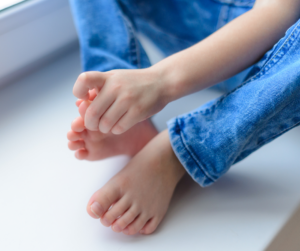
If you’ve ever dropped something on your foot or jammed it on something hard, you might have been close to breaking your toe. Broken toes are one of the most common breaks in the human body, and they can be seriously painful injuries that require prompt and careful rehabilitation.
That’s why at Kentlands Foot and Ankle Center, we are here to un-stub the toe fracture confusion, providing expert insight and advice along your path to better foot health.
Signs and Symptoms of a Broken Toe
Because a broken toe often causes immediate and severe pain, it’s helpful to distinguish it from other potential foot injuries like turf toe and toe sprains:
- Intense pain: Sharp and localized pain at the point of impact.
- Swelling: Rapid onset of swelling around the injured toe.
- Bruising: Discoloration may appear within a few hours.
- Deformity: The toe may appear visibly crooked or misshapen.
- Difficulty walking: Putting weight on the injured foot may be painful.
Prognosis for a Broken Toe
Most toe fractures typically heal within 4-6 weeks. However, the specific recovery time can vary depending on the severity of the fracture and the person’s overall foot health.
While most broken toes heal without complications, there is a small risk of developing arthritis in the affected toe in the future. Additionally, if the fracture is not properly aligned, it may result in long-term pain or deformity.
Treatment and Recovery
Most minor toe fractures can be treated at home with the RICE method (rest, ice, compression, elevation) and over-the-counter pain relievers prescribed by your podiatrist. In some cases, your podiatrist may recommend taping or splinting the toe to immobilize it and promote healing.
Crutches or boots are typically not necessary for a broken toe unless there are multiple fractures or associated injuries. However, it’s essential during recovery to avoid putting excessive weight on the injured foot. Physical therapy may also be recommended to gently regain strength and flexibility after the bone has healed.
Want to stay on top of your foot and ankle health this summer? We’re happy to help! Schedule a comprehensive foot examination with Kentlands Foot and Ankle Center podiatrist Dr. Jon M. Sherman. To schedule your appointment, please call our office at 301-825-9697.
-
Protect Your Feet from the Summer Sun

Just like the rest of your body, your feet are susceptible to sun damage. UV rays penetrate the layers of your skin, causing sunburn, premature aging, and increasing the risk of cancer. While the soles of your feet have thicker skin, the tops and ankles are vulnerable, especially for people who wear sandals or flip-flops regularly.
If we diligently protect our faces and arms with sunscreen, why should we neglect our feet? Here’s why you shouldn’t forget about protecting them from the sun’s harmful UV rays, according to our expert team at Kentlands Foot and Ankle Center.
The Risks of Sun-Exposed Feet
- Actinic Keratosis: These precancerous lesions appear as rough, scaly patches on skin exposed to the sun, especially during summer. While not cancerous themselves, they can develop into skin cancer if left untreated.
- Squamous Cell Carcinoma: This is a type of skin cancer that can develop on the sensitive areas of the feet. Early detection can decrease the risk of complications, so be aware of any changes in the appearance of your skin, such as new moles, persistent scaling, or bleeding.
- Age spots: These are flat, brown spots that commonly appear on sun-exposed areas, including the tops of the feet. While benign, they can be a cosmetic concern for some.
- Pre-existing skin conditions: Sun exposure can worsen existing skin conditions on the feet, such as eczema or psoriasis, leading to increased itching, inflammation, and discomfort.
Protecting Your Feet This Summer
- Sunscreen: Apply broad-spectrum sunscreen with SPF 30 or higher to the tops of your feet and ankles 15 minutes before sun exposure. Reapply every two hours, especially after swimming or sweating.
- Sun-Protective Footwear: Wear closed-toe shoes or sandals with straps that cover the tops of your feet. Look for materials like canvas or mesh that allow for ventilation while providing some sun protection.
- Examine Your Feet Regularly: Pay attention to any changes in the appearance of your skin, such as new moles, discolored spots, or changes in texture. If you notice anything concerning, consult a podiatrist.
Want to keep your feet happy and healthy this summer? We’re eager to help! Schedule a comprehensive foot examination with Kentlands Foot and Ankle Center podiatrist Dr. Jon M. Sherman. To schedule your appointment, please contact our office at 301-825-9697.
-
For Foot and Ankle Pain, Tailored Treatments Offer the Best of Both Worlds
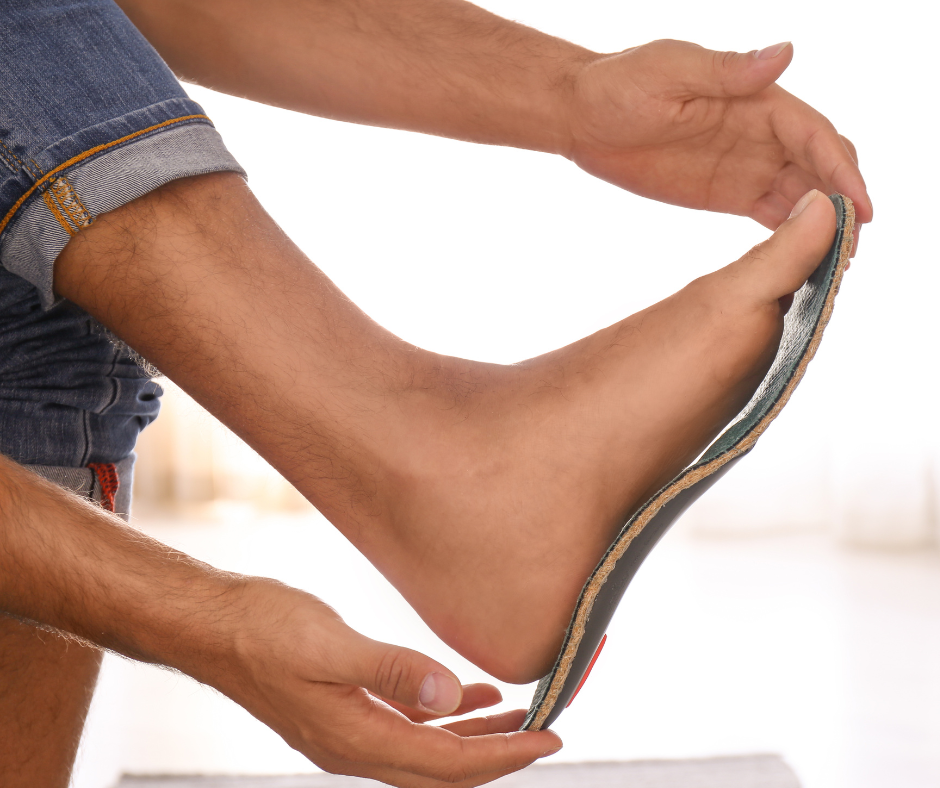
Foot pain can sideline even the most active individuals, but before you resign yourself to chronic discomfort, consider the wide variety of treatments available from your local podiatrist. With options ranging from the conservative to the innovative and everything in between, a DPM can restore balance and mobility while managing pain.
The key is finding the right approach for your specific needs! For this blog, the team at Kentland’s Foot and Ankle Center wants to keep you posted on a few of the most effective ones. Read on to learn more about the options available to you, from exciting newbies to tried-and-true standards.
Starting Simple: Rest, Therapy, and Orthotics
The first line of defense is often the simplest.
- Rest, ice, and pain medication might provide relief in the short term.
- Physical therapy strengthens supporting muscles and improves flexibility, addressing the root cause of pain and preventing future problems.
- Custom orthotics deserve special mention. By providing personalized support and correcting biomechanical imbalances, they can significantly improve comfort and function.
You can get the best of both worlds via a combined approach: A 2023 study published in the Journal of the American Podiatric Medical Association (JAPMA) found that physical therapy combined with custom orthotics was highly effective in reducing pain and improving function in patients with plantar fasciitis.
- High-tech and low-tech can also complement one another. For example, our team utilizes 3D orthotic scanning technology to create orthotics tailored to your unique foot shape.
- This ensures a superior fit and function compared to traditional casting methods.
Stepping Up: Advanced Techniques for Persistent Pain
If conservative measures don’t provide lasting relief, your podiatrist might recommend more advanced interventions.
- Shockwave therapy, for instance, utilizes sound waves to stimulate tissue healing and reduce inflammation.
- Studies have shown promise for its effectiveness in treating plantar fasciitis and Achilles tendonitis.
Sometimes, a minimally invasive surgical procedure might be the best approach.
- Many podiatrists are skilled surgeons, able to perform procedures like bunionectomy or hammertoe correction with minimal scarring and downtime involved.
Are you interested in learning more? We’re always happy to help! Schedule a comprehensive foot examination with Kentlands Foot and Ankle Center podiatrist Dr. Jon M. Sherman. To make your appointment, please call our office at 301-330-5666.
-
5 Ways Physical Therapy Makes For Fitter Feet!

Kentlands Foot & Ankle Center understands the value of conservative treatments and natural remedies; in fact, Dr. Sherman was featured in Business Insider a few months ago discussing just that! It should come as no surprise, then, that our team places such a high value on the power of physical therapy, which can make a difference for a wide range of lower extremity ailments.
This blog will cover five different conditions and circumstances that PT alleviates, improves, or even prevents. Let’s kick things off!
- Plantar Fasciitis:
This prevalent problem inflicts heel pain due to inflammation of the plantar fascia, the tissue connecting your heel to your toes. Physical therapists can design personalized plantar fasciitis stretches with a custom program that improves flexibility, reduces pain, and prevents future flare-ups.
- Ankle Sprains:
Rolled ankles are frequent, painful injuries, stretching or tearing the ligaments that stabilize your joints. Physical therapy can provide an ankle sprain recovery regimen and ankle strengthening exercises to help you regain range of motion, strengthen supporting muscles, and improve proprioception (your body’s awareness of joint position). This, in turn, will reduce pain, swelling, and the risk of future sprains.
- Achilles Tendinitis:
Overuse can inflame the Achilles tendon, causing pain in the back of your heel. Physical therapy focuses on reducing inflammation, improving flexibility, and strengthening the calf muscles to better support the tendon.
- Arthritis:
Both osteoarthritis and rheumatoid arthritis can affect the foot and ankle joints, leading to pain, stiffness, and reduced mobility. Physical therapists can create an exercise program to maintain joint mobility, strengthening surrounding muscles while improving balance. This helps manage pain, maintain function, and potentially delay the need for surgery.
- Post-Surgical Recovery:
After foot or ankle surgery, physical therapy is crucial for regaining strength, flexibility, and range of motion. A personalized program helps restore proper gait mechanics and function, ensuring a smooth and successful recovery.
As you can see, physical therapy can do all kinds of good for your feet and ankles, healing them when they’re hurt and maintaining them when they’re fit.
Interested in learning more? We’re always available and happy to help! Schedule a comprehensive foot examination with Kentlands Foot and Ankle Center podiatrist Dr. Jon M. Sherman. To make your appointment, please call our office at 301-330-5666.
RECENT POSTS
categories
- Uncategorized
- Featured Articles
- Foot Disorders
- Broken Ankle
- Broken Toe
- Fracture
- Foot Health
- Foot Care
- Arthritis
- Foot Pain
- Skin Cancer
- Podiatry Appointment
- Custom Orthotics
- Podiatrist
- Diabetes
- Gout
- Heart Health
- National Nutrition Month
- National Foot Health Awareness Month
- Foot Safety
- Foot and Ankle Injuries
- Falls Prevention
- Chronic Heel Pain
- Shoes
- Laser Therapy
- Quoted
- Physical Therapy
- KeryFlex
- Sweat
- Summer Foot Care
- Sports Injury
- ESWT
- Fungal Toenails
- Bunion
- Plantar Fasciitis
- PinPointe Laser
- Heel Pain
- walking